
Professional Investment Grade Review: Assessing Purva Northern Lights in the 2026 Market
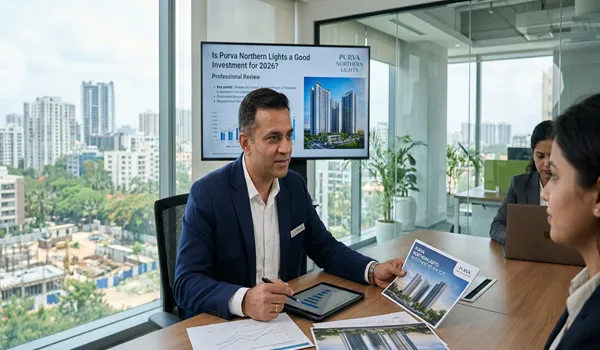
For many years, homebuyers in Bangalore focused on the east and south. Areas there saw strong growth and became very busy. Over time, prices went up and options became limited. Today, buyers are thinking differently. They are now looking for the next area that can grow in the coming years. In 2026, the focus is slowly moving toward North Bangalore. This shift is not based on guesswork or trends. It is supported by real job growth and active work zones. Large companies are already working here and bringing people closer. When jobs move, homes follow in a natural way.
This part of the city is now turning into an economic core. It is not just a place to live on the edge of the city. It is becoming a place where people work and stay nearby. This reduces long travel hours that many people face today. Daily life starts to feel more simple and less stressful. Buyers today are more careful with their decisions. They are not just looking at the home itself. They want a place that can grow in value over time. Many now search for projects that offer both comfort and future returns. This is where locations near strong job hubs stand out.
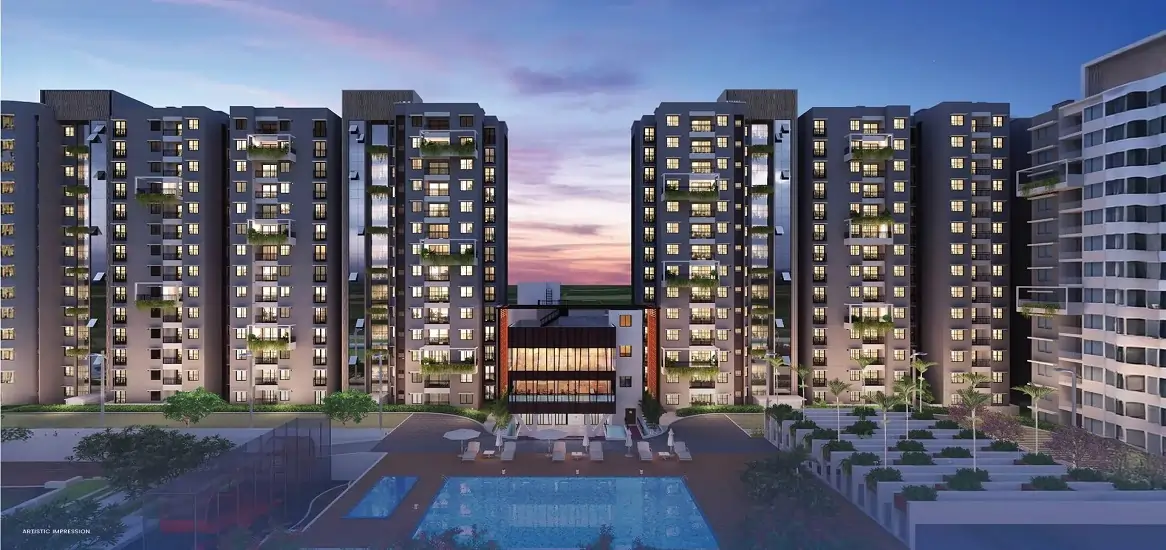
Purva Northern Lights fits into this new shift in a clear way. It is placed close to active work zones and upcoming road networks. This gives it both present value and future growth potential. Buyers can see how the area is shaping step by step.
Another key point is the early stage of this growth. Prices are still more reasonable compared to older parts of the city. At the same time, demand is slowly increasing. This creates a good entry point for long term buyers. Over time, this gap is expected to change. In simple words, this is about choosing the right area before it becomes fully developed. North Bengaluru is moving in that direction now. Buyers who understand this shift often look at such locations first.
The "Aerospace Flywheel": Demand-Side Analysis
Property growth usually starts with jobs. When many people work in one area, they need homes nearby. This creates steady demand in the local market. In this part of North Bengaluru, that cycle has already started. Offices are active, and people are moving closer to work.
Many professionals working here have stable and good income. They look for homes that match their lifestyle. They prefer comfort, security, and easy access to their office. This pushes demand toward well planned apartment communities. It also supports better rental value over time. One clear benefit here is the short daily travel. People can reach work in a few minutes instead of spending hours on the road. This saves time every day and reduces stress. Because of this, many tenants choose to stay close to their workplace. This keeps demand active throughout the year.
This kind of demand does not depend on trends alone. It is supported by real daily needs. When jobs stay strong, housing demand also stays strong. Even if the market slows down, such areas remain active. Homes here are less likely to stay empty. To put it simply, employment generates a cycle that promotes the rise of real estate. After arriving for work, many search for neighbouring residences. This maintains a stable demand for both rentals and sales. These places are frequently selected early by buyers who recognise this trend.
Infrastructure Readiness: The "Metro-to-Airport" Corridor
Infrastructure plays a big role in how property grows over time. In this area, key travel routes are already improving. Roads are better, and new plans are moving forward. This makes daily movement easier for residents. Good connectivity also attracts more buyers.
One major change is the metro line near the airport side. Once it becomes active, travel will feel faster and more reliable. People can avoid traffic and reach work areas with ease. This is helpful for both daily travel and long distance trips. Homes near metro routes often see strong demand.
The airport is also close to this location. Reaching it takes less time compared to many other parts of the city. This is useful for people who travel often for work. It also adds value for future buyers and tenants. Locations near airports usually stay in demand.
Another important upgrade is the ring road around the city. It helps people move between different areas without entering crowded zones. This saves time and reduces stress on daily travel. For residents, this means smoother trips across Bengaluru. It also improves access to other work hubs.
To put it simply, this area is becoming easier to reach from all sides. When travel improves, more people prefer to live here. This increases both demand and property value over time. Buyers who enter before full completion may benefit more.
Architectural Scarcity: The Vertical Village Advantage
Not every project stays special as the area grows. Many buildings look similar and offer the same layout. Over time, this makes them easy to replace in the market. But some projects stand apart because of how they are designed. This is where a vertical village concept becomes important.
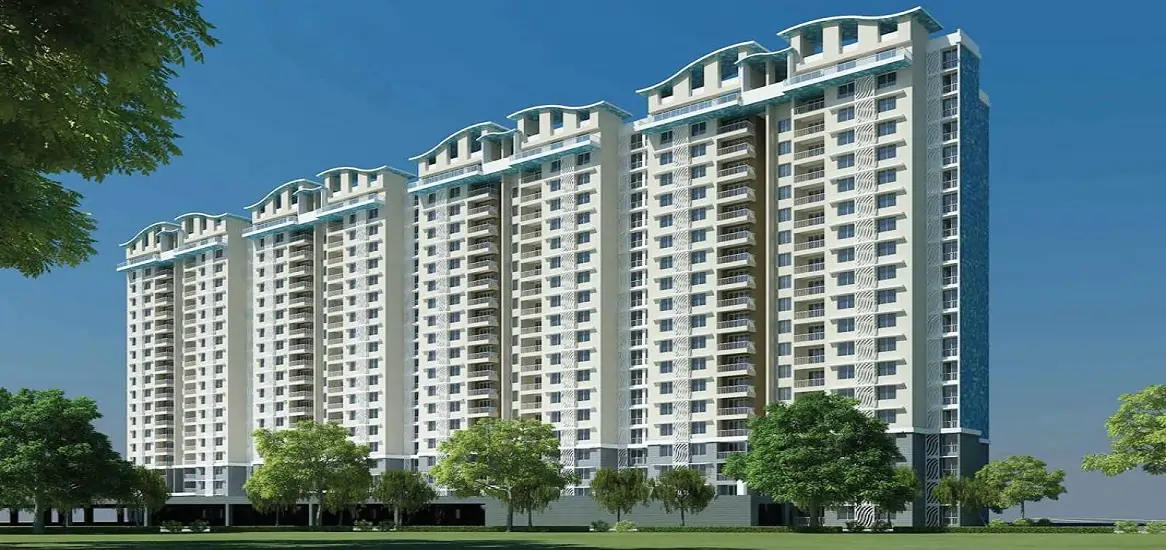
In this setup, buildings grow taller instead of spreading across the land. This keeps more ground space open for greenery and shared areas. Residents get parks, walking paths, and open views around them. The place feels less crowded and more peaceful. This kind of balance is not common in fast growing areas.
Height also creates a clear advantage. Homes on higher floors get better light and wider views. There is less chance of future buildings blocking these views. As the area develops, such clear views become rare. Buyers often prefer homes that offer this kind of space.
Another key point is how the project uses its land. When most of the land stays open, it improves daily living. People get fresh air and quiet surroundings after a busy day. This adds comfort that many city homes lack. Over time, this becomes a strong selling point. In simple terms, design can protect long term value. When a project is not easy to copy, it stays in demand. This makes it a smart choice for buyers who think ahead.
Corporate Health & Governance: The Safety Audit
When you invest in a home, the builder matters a lot. A strong company reduces many common worries. Buyers often check if the project will be completed on time. They also want to know if the quality will stay good. This is where a trusted developer makes a difference. A stable company usually has a clear way of working. They follow proper plans and stick to timelines. This helps avoid delays and confusion during construction. Buyers feel more confident when work moves as expected. It also builds trust over time.
Approvals and rules are also important for safety. A project that follows all legal steps is easier to buy and sell. Banks also support such homes with loans. This makes the process smooth for buyers. It also helps during resale later.
Another key point is how the project is maintained after completion. Good developers take care of shared spaces and facilities. Clean and well managed areas improve daily living. They also help the property hold its value for years. In simple terms, strong governance reduces risk. Buyers get peace of mind along with their investment. A project backed by a stable company becomes a safer choice. This is important for anyone planning long term investment.
Inventory Strategy: ROI by Unit Type
Not all homes give the same return. The type of unit you choose can change your results. Some homes are easier to rent, while others bring higher rent. It depends on the kind of people living and working nearby. This is why unit mix matters for investment. Smaller homes like 2 BHK are easier to sell and rent. Many young professionals prefer this size. It fits their budget and daily needs. Because demand is high, these homes usually do not stay vacant. This makes them a safe option for steady income.
Larger homes offer a different advantage. They are fewer in number and attract a different group of tenants. People with higher income often look for more space and comfort. They are ready to pay more for it. This can lead to better rental returns over time. Every choice functions differently, as smaller residences are easier to enter and sell quickly. Greater rent and distinctive value are provided by larger residences. Customers ought to make decisions based on their objectives. A well-balanced blend may also be a wise strategy.
Conclusion: The Professional Verdict for 2026
In 2026, buyers are thinking more about value, not just location. They want homes that can grow over time and stay in demand. This area shows clear signs of both. Jobs are active, roads are improving, and more people are moving here. These factors support steady growth.
One strong point is how demand is built here. It is not based on future plans alone. People are already working nearby and looking for homes. This keeps both rental and resale demand stable. It also reduces risk for buyers.
Another reason this stands out is the balance it offers. Daily life feels easier with shorter travel and better access. At the same time, the area is still in a growth phase. Prices have not reached their peak yet. This creates a good entry stage for buyers.
Over the next few years, more changes are expected. As infrastructure becomes fully active, demand may increase further. Early buyers often benefit the most during this stage. Waiting too long can mean higher entry cost later.
In simple terms, this is a strong option for long term planning. It combines real demand, improving connectivity, and future growth. Buyers who focus on these factors usually make better decisions.



 24/7 Support
 Free Site Visit
 Unmatched Price