
From Dollars to Dirhams: The NRI Guide to Investing in North Bangalore’s Fastest-Growing Hub

2026 seems like the ideal year for many NRIs to take another look at India. The market seems more transparent now. The procedure is now more transparent because to RERA. Builders need to present their approvals. Timelines must be shared. This gives foreign customers a sense of security.
At the same time, North Bangalore is changing fast. New roads are ready. The airport zone is expanding. Offices inside the KIADB Aerospace Park are hiring more people. You can actually see the growth on the ground.
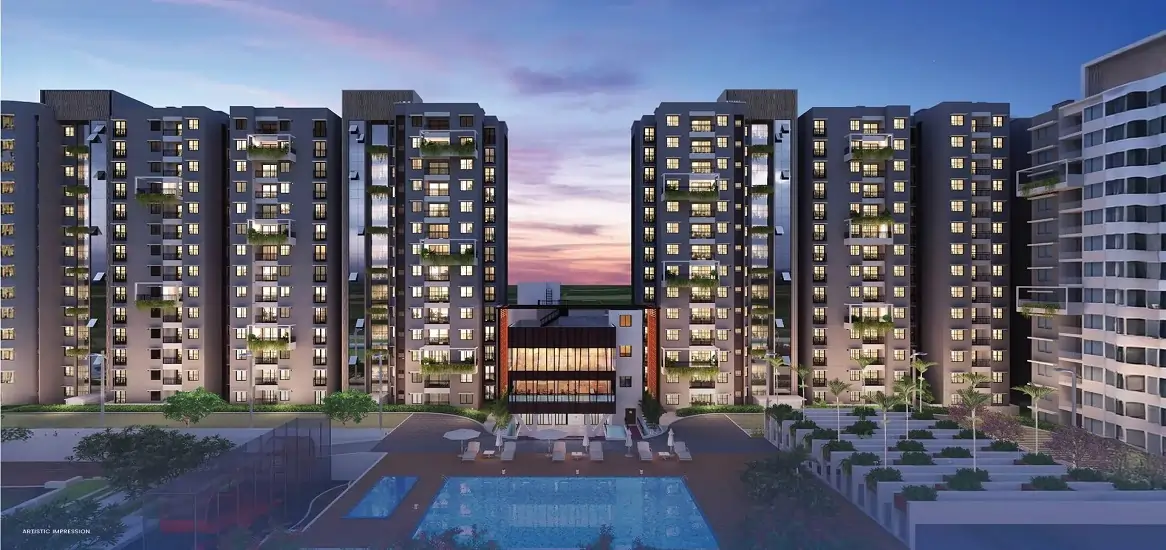
One project that keeps getting attention is Purva Northern Lights. Some search it as Purva Northern Light, but the interest is strong either way. This is a 25 acre township placed right inside the Aerospace Park belt. It sits close to global offices, not far away from them.
Boeing, SAP Labs, and Shell operate in this corridor. Thousands of engineers and tech teams work here every day. When jobs stay strong, housing demand stays strong too. NRIs understand this simple link.
The reason many overseas buyers are looking here is clear. Rental income and capital growth.
North Bangalore has shown steady price movement. Some pockets have seen 10 to 15 percent yearly growth. Compared to older parts of the city, this feels active and fresh. For someone earning in Dubai, London, or San Francisco, the entry price still looks attractive when converted.
The Purva Northern Lights payment plan 10:10:80 also helps. The upfront amount is smaller. The larger payment comes later during construction. This makes it easier to plan funds from abroad.
The airport is about 15 minutes away. The Blue Line Metro is moving closer to completion. Travel feels easier from this side of the city. For NRIs who fly often, this adds comfort.
Rental demand is also steady. Professionals working in the Aerospace SEZ prefer homes near work. A well planned township in this zone rarely stays vacant for long.
More NRIs are keeping an eye on this route as the March 2026 launch draws near. They are not only making emotional purchases. They are purchasing where development, employment, and airport accessibility all come together.
The “Aerospace SEZ” Safety Net
Many NRIs do not like risky markets. They prefer areas where growth is already visible. Not promised. Not planned. But real.
That is where Purva Northern Lights Bagalur stands out.
This project is not built in isolation. It sits inside a large, government supported industrial belt. The KIADB Aerospace Park spreads across nearly 3,000 acres. This is not a small private layout. It is a structured business zone.
In 2026, more than 30 aerospace and technology companies operate in this corridor. Offices are active. Employees work daily. This creates steady movement of people.
For overseas buyers, this feels like a safety net.
When someone searches Purva Northern Lights investment for NRIs 2026, they are not only looking at price. They are checking job stability. They want to know if demand will last.
Here, housing demand is linked to real employment. Engineers from Boeing. Teams from SAP Labs. Professionals from Shell. These are not short term setups. These companies invest for years.
When jobs stay, rental demand stays.
Standalone buildings often depend on future growth. But in the Aerospace SEZ belt, growth is already happening. Roads are built. Offices are running. Airport access is strong.
This reduces speculation risk.
NRIs living abroad understand this well. They prefer income backed by employment zones. A project inside a strong job corridor feels more secure than one built on empty land waiting for development.
Purva Northern Lights benefits from this ecosystem. It is part of a larger network of offices and infrastructure.
The Aerospace SEZ functions as a support system, to put it simply. Areas connected to robust industry typically continue to operate even if the overall market slows down.
Because of this, a lot of NRIs view this corridor as a structured investment that is connected to actual company growth rather than as a chance.
Currency Advantage and Low Entry Price
For many NRIs, the biggest advantage is not just location. It is currency power.
When you earn in dollars, pounds, or dirhams, the value changes when you convert it to rupees. In 2026, this difference works strongly in favor of overseas buyers.
During the pre launch phase in February and March 2026, the base rate is around ₹11,000 per sq. ft. This early price is lower than the expected post launch rate, which may move closer to ₹12,500 or more.
This is why many NRIs are closely watching the Purva Northern Lights price list 2026. Let us make this simple.
If a 1,200 sq. ft. apartment is priced at ₹11,000 per sq. ft., the total value looks very different when converted from foreign currency. For someone earning abroad, the entry price feels manageable. The exchange rate gives extra leverage.
Now add the pre launch benefit.
When you buy before the official launch, prices are usually at their lowest stage. Once bookings pick up and construction moves ahead, rates often increase. That is common in most growing corridors.
So the idea becomes clear. Enter early. Lock the lower rate. Benefit from future appreciation. This is what many call the “buy low, grow high” approach.
There has been consistent price volatility in North Bangalore, particularly in the Aerospace Park belt. Early customers benefit if rates increase from ₹11,000 to ₹12,500 or more after launch.
Time is of the essence for NRIs. A cushion is produced by a reduced entrance price and a currency advantage. When transferred back into foreign currency, even little appreciation might yield substantial gains.
In simple words, the numbers make sense.
The corridor is growing. Infrastructure is active. Demand is steady. And during pre launch, pricing feels attractive. For many overseas investors in 2026, that combination is hard to ignore.
Managing from Afar: The Puravankara Trust
For NRIs, distance is always the biggest worry. You may live in Dubai, London, or the US. The property is in Bangalore. You cannot visit every month. So trust becomes very important.
This is where the developer matters.
Puravankara has been active in Indian real estate for over 50 years. That long presence builds confidence. Many overseas buyers look at Puravankara Northern Lights reviews for investors before making a decision. They want to know how past projects were handled. They want to see delivery records.
In 2026, managing property from abroad is easier than before. Builders now follow a digital first approach. Virtual site tours are available. Drone updates show construction progress. RERA details can be checked online. Payment schedules are shared clearly.
You do not need to depend only on phone calls. You can track progress from your laptop or phone. This helps NRIs feel connected even when they are far away.
Another important factor is timeline clarity. The possession date of December 2030 is clearly declared. This gives investors a target. Some may plan to start rental income from that date. Others may look at resale options closer to completion.
Having a defined timeline helps with planning.
Distance will always exist. But strong systems reduce the stress that comes with it.
For many overseas buyers, the decision is not just about price. It is about how smoothly the journey will run over the next few years. A known developer with a long track record, regular updates, and digital transparency makes the process feel structured.
In simple terms, you may be thousands of kilometers away. But with proper systems in place, your investment does not feel out of reach. And that comfort matters a lot in long term decisions.
Higher Yields: 2 BHK vs 3 BHK
When NRIs think about buying a home in India, one question comes first. How much rent will it earn?
In early 2026, this airport corridor is showing strong rental numbers. A 2 BHK of about 1,010 sq. ft. is renting for ₹35,000 or more each month. Furnished homes sometimes go even higher.
This reflects the healthy rental yield in KIADB Aerospace Park Bangalore.
There are plenty of working professionals in the surrounding offices. Many are tech workers, managers, and engineers. The majority of them like two-bedroom houses. It feels like the perfect size. They can afford the rent. Additionally, the arrangement is ideal for small families or couples.
For NRIs who want stable passive income, 2 BHK units often make sense. The purchase cost is lower than bigger flats. Demand is wide. Vacancy risk stays lower because the tenant pool is large.
Now think about 3 BHK homes.
These attract slightly older professionals. Senior managers. Families with children. The rent is higher than a 2 BHK. But the entry price is also higher. The overall return stays good, but the percentage yield depends on the buying price.
Then there are 4 BHK Presidential Suites.
These are for a smaller segment. Senior executives or high income buyers. Rental demand exists, but the bigger advantage here is resale potential. When the market grows, luxury homes often see stronger price jumps.
So the choice depends on your goal.
If your focus is monthly income, 2 BHK units usually offer better balance. If your focus is long term appreciation and premium positioning, larger units may suit you better.
In this Aerospace Park zone, jobs drive demand. And steady jobs support steady rent. For NRIs, matching the flat size with your financial plan is key. And in this corridor, both 2 BHK and 3 BHK units offer clear reasons to invest.
Infrastructure as a Value Multiplier
When NRIs look at property, they do not look only at the building. They look at the roads around it. They look at Metro lines. They look at future plans.
In 2026, two big projects are shaping this corridor. The Satellite Town Ring Road, known as STRR. And the Airport Metro Line.
These are not small upgrades. They change how people move.
STRR connects outer parts of Bangalore without forcing traffic into the city center. This reduces travel time. It makes long drives smoother. It also links industrial and residential pockets more directly.
The Airport Metro Line is another strong push. Once active, it will connect the airport side with other work zones. Travel becomes easier. Daily movement becomes faster.
For NRIs, this is not just about convenience. It is about growth.
This is where the future growth potential of Bagalur North Bangalore becomes important. When infrastructure improves, land value usually follows. Better roads and Metro lines attract more buyers. They also attract new offices and retail.
In 2026, a property priced around ₹1.3 crore may look very different by 2030. By the time of handover, connectivity will be stronger. The corridor will feel more mature.
Infrastructure works like a value multiplier. It does not show instant results overnight. But over time, it changes the image of a location.
For overseas investors, this gives confidence. You are not buying in a frozen area. You are buying in a zone where public projects are already moving forward.
Roads and Metro lines are long term assets. They support housing demand for years. In simple words, growth in Bagalur is not standing still. It is being built step by step. And when infrastructure and job hubs grow together, property value usually grows with them.
Conclusion: A Legacy Asset for the Global Indian
For many NRIs, buying a home in India is not only about numbers. It is also about connection. It is about having a place to return to. A place that feels familiar. A place that holds family memories.
But in 2026, emotion alone is not enough. Investors also want logic.
That is why many overseas buyers are looking at Purva Northern Lights. It brings both sides together. It offers a home for the future. And it works as an income asset in the present.
The North Bangalore Growth Corridor is not just a trend. It is supported by real offices. Real infrastructure. Real airport expansion. Jobs in the Aerospace Park are active. Metro and road projects are moving ahead.
For NRIs living abroad, this matters. You may not stay in India full time. But your property should not sit idle. It should earn. It should grow.
Rental demand near Boeing and SAP Labs keeps movement steady. Airport access keeps the location connected to the world. Infrastructure projects support long term value.
At the same time, the project gives you something personal. A future base in your home city. A space you can use when you visit. Or even return to one day.
This balance is rare. You are not buying only for rental income. And you are not buying only for emotional comfort. You are buying something that serves both purposes.
In a real estate market, choosing the right corridor makes a big difference. North Bangalore has become one of the strongest zones in 2026.
For the global Indian, this is more than a flat purchase. It is a long term step. A steady asset. A place with both roots and returns. And that is why many NRIs see this corridor as a runway toward a more secure investment journey.



 24/7 Support
 Free Site Visit
 Unmatched Price