
From Launch to Legacy: Predicting the 2030 Valuation of Purva Northern Lights

In 2026, North Bangalore is no longer just a future plan. It is already changing in front of us. New jobs, better roads, and active work zones are shaping the area. What people once expected for later is now happening step by step. This is why many buyers are starting to pay attention. The Bagalur side of North Bangalore is seeing this change more clearly. Large work hubs are bringing in a steady flow of professionals. These are not short term jobs, but long term work setups. When this happens, people start looking for homes close by. This creates real demand, not just interest. Because of this shift, property growth is no longer based on guesswork. It is linked to jobs, travel ease, and daily life needs. Buyers are not only asking about price today. They also want to know where the area will reach in the next few years. This is where the 2030 view becomes important.
Many early buyers are entering the market at this stage. Prices are still at a growing level, not at peak. As more people move in and projects get completed, demand can rise further. This is how strong price movement builds over time. It does not happen in one step. In this blog, we will look at what can drive prices toward 2030. We will break down job growth, metro access, rental demand, and future planning. These are the real factors behind long term value. Understanding them can help you take a better decision today.
The Industrial Catalyst: The "Foxconn & Boeing" Effect
One of the strongest drivers of property growth is job creation. When large companies set up in one area, people move there for work. This creates real need for homes nearby. It is not based on future plans, but on daily living needs. That is how strong demand begins. In North Bangalore, this change is clearly visible now. Big companies are bringing in skilled workers and senior professionals. These people look for good homes close to their workplace. They prefer well planned communities with better comfort. This increases demand for quality housing in the area.
As more jobs become active, this demand keeps growing. New buyers enter the market, and rental demand also rises. When both buying and renting increase together, prices start moving up. This growth is steady because it is backed by real activity. It does not depend on short term trends. Another key point is the type of buyers coming in. Many are earning higher income and looking for better living spaces. They are ready to pay more for comfort and convenience. This pushes up the value of premium homes faster. Over time, this creates a strong price base. So the impact of job growth is simple but powerful. More jobs bring more people, and more people need homes. This balance drives long term price growth. It is one of the main reasons why this area is gaining attention for investment.
Transit Maturity: The Blue Line Metro Multiplier
Travel time plays a big role in how people choose homes today. Long drives can take away a lot of daily energy. This is why metro access is becoming very important. It offers a faster and more steady way to move across the city. Buyers now think about this before making a decision.
The Blue Line is expected to change North Bangalore in a strong way. It connects work zones, the airport, and key city areas. This makes daily travel easier for many professionals. A home near this route feels more useful in daily life. That added ease increases demand. When a Metro line becomes active, property values often move up. Homes close to stations get more attention from buyers. Both renting and selling them are simpler. People are willing to pay more for better travel options. This creates a clear price advantage.
This effect becomes stronger over time. As more people start using the metro, demand keeps building. Areas with good access stay popular for a longer period. This helps maintain both rental income and resale value. It also reduces risk for buyers. So metro access is not just a feature anymore. It is a major factor in property growth. A well connected home saves time every day. That daily benefit turns into long term value for the property.
Scarcity of "Integrated Luxury"
In North Bangalore, many new projects are coming up. Most of them offer basic homes with simple layouts. They focus on quick delivery and lower pricing. But truly well planned large communities are still limited. This gap is becoming clear as demand grows.
Buyers today want more than just a flat. They look for open space, greenery, and better planning. They want walking areas, quiet zones, and good shared spaces. These features improve daily living in a real way. Not every project can offer this level of design. Large townships with these features are fewer in number. They need more land, better planning, and strong execution. Because of this, supply stays limited. As more buyers look for such homes, demand becomes stronger. This creates steady price growth for these projects.
Another important factor is the type of homes inside these communities. Larger units with better layouts are not easy to find. Buyers who want more space often have fewer choices. This increases the value of such homes over time. They also attract higher income tenants. So the value here comes from limited supply and rising demand. When something is hard to find, it becomes more valuable. In the coming years, this gap may grow even more. That is why these homes are seen as strong long term assets.
Rental Yields as a Growth Driver
Today, many buyers think about income before they buy a home. They do not want a house that stays empty. They want something that gives steady rent every month. This helps manage costs and feels more secure. A home that earns feels more useful.
In North Bangalore, rental demand is picking up fast. People are moving here for work and better access. Most of them prefer homes close to office areas. Good homes are getting tenants without much wait. This keeps the flow of income smooth. When rent stays steady, it supports the property value too. Owners do not feel pressure to sell quickly. They can wait and hold the home for a better price later. This makes the investment more stable. It also reduces risk during slow market phases.
Homes with better planning attract more tenants. People like security, open areas, and easy travel options. These small things matter in daily life. Because of this, such homes stay in demand. Rent and resale both benefit from this. So rental income is not just a bonus. It helps the property stay active and strong. A home that earns well is easier to hold. Over time, this support helps the value grow in a steady way.
Digital Infrastructure & The "Work-From-Township" Value
Work style has changed a lot in recent years. Many people now work from home for part of the week. Because of this, homes need to support both work and daily life. A quiet space and good internet have become very important. Buyers now look for these features before choosing a home. In well planned communities, this setup is easier to find. High speed internet and work friendly areas are part of the design. Some places also offer shared work spaces inside the project. This helps people stay productive without leaving home. It makes daily routine more smooth.
This kind of setup also adds value to the property. Homes that support modern work needs stay in demand. Both buyers and tenants prefer such spaces. It makes the home more useful in the long run. As work habits stay flexible, this need will only grow. So digital support is no longer an extra feature. It is now a basic need for many buyers. A home that supports work and living together feels more complete. This balance helps both comfort and value over time.
Conclusion
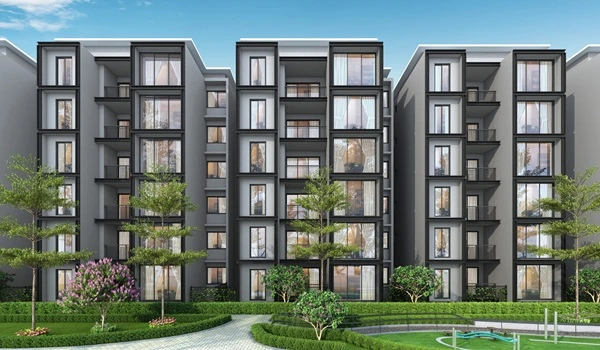
By 2030, Purva Northern Lights may look very different from today. What feels like a growing area now could become a strong work and living zone. Jobs, roads, and metro access are coming together in one place. This is building a solid base for property growth. The change is slow but steady. For buyers entering in 2026, this stage can be important. Prices are still in a rising phase, not at the top yet. As more people move in, demand can stay strong. This can support both rental income and resale value. Early entry often gives better long term benefit.
The main drivers are clear and easy to understand. Job growth brings people, and people need homes. Better travel options make daily life easier. Well planned communities attract more buyers and tenants. These factors work together to push value over time. So the final view is simple. This is not short term growth based on hype. It is backed by real use and daily needs. A home in the right location can grow step by step. With the right choice, the next few years can bring strong value.





 24/7 Support
 Free Site Visit
 Unmatched Price