
How does the KIADB Aerospace Park impact property prices in North Bangalore?
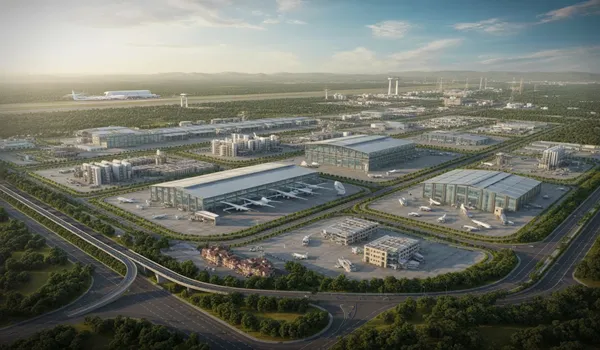
North Bangalore seemed like a tale of the future for a very long time. Large-scale projects like Purva Northern Lights and growing costs were discussed, but not much was really happening. After visiting and taking a look around, buyers would wait. Some made early investments in the hopes of subsequent prosperity. In 2026, that wait began to come to an end. Now, the change feels real when you visit the area. The KIADB Aerospace Park is active and growing every month. Offices are opening, and more people are coming here for work. Roads feel busier, and new housing projects like Purva Northern Lights are coming up nearby. This is no longer about plans. It is about what is already happening.
When jobs come into one place, homes follow soon after. People want to live close to work and avoid long travel. This simple need creates strong demand in nearby areas. Bagalur, Devanahalli, and Gummanahalli are seeing this shift clearly. Prices are moving because people are actually buying and living here. This is what many experts call the aerospace multiplier effect. It sounds complex, but it is easy to understand. More jobs bring more people, and more people need homes. When supply is not enough, prices start going up. This is why the area is seeing steady growth now. In this blog, we will break this down in a simple way. We will look at jobs, Metro access, rental demand, and planned roads. These factors decide how property grows in real life. If you are planning to invest, this will give you a clear and honest picture of what is happening here.
The Job-to-Roof Ratio: How Demand Builds Fast
When people talk about property growth, they often miss one simple point. Homes grow in value when jobs grow nearby. This link is very direct and easy to see. Every new job brings a person who needs a place to stay. That is where the idea of the job-to-roof ratio comes in.
In simple terms, one job does not mean one house. Many workers move with family or share space at first, then upgrade later. So the area needs more homes than the number of jobs added. This creates steady pressure on housing supply. When supply cannot keep up, prices begin to move up. In North Bangalore, this pattern is now very clear. Large companies are hiring engineers, managers, and skilled workers in big numbers. These are not low income jobs. People working here look for better homes, good layouts, and gated communities. This pushes demand toward quality housing, not just basic units.
Right now, the number of ready homes near the work zone is still limited. New projects are coming, but they take time to complete. Many buyers are booking early to secure a good unit. At the same time, rental homes are filling up faster than before. This gap between demand and supply is driving price growth. This is why some projects like Purva Northern Lights in the area are seeing strong yearly increases. It is not random or hype based growth. It is backed by real people moving in and looking for homes. When jobs keep increasing, this demand stays strong. That is how a simple job-to-roof link turns into long term property value.
The "Blue Line" Value Capture: Why Metro Distance Matters Now
In today’s market, distance is not just about kilometers. Buyers now think about travel time. A home that feels close on the map may still take a long drive in traffic. This is why metro access has become very important. It gives a faster and more reliable way to travel every day.
The Blue Line is changing how people look at North Bangalore. It connects key work zones, the airport, and city areas in one route. For many professionals, this means less time on the road and more time at home. That daily comfort adds real value to a property. Buyers are ready to pay more for this ease. Homes near a metro station are seeing strong demand. Even a small difference in distance can change buyer interest. Properties within a short drive or walk to the station are selling faster. They also hold value better during slow market periods. This is because connectivity stays important in every market cycle.
This trend is often called transit based growth. It simply means homes close to transport links gain extra value over time. In this area, that effect is already visible. Projects near the Blue Line are getting more site visits and quicker bookings. Many buyers are choosing location over size for this reason. For investors, this creates a clear advantage. A well located home can attract both buyers and tenants easily. People working nearby prefer homes that reduce daily travel stress as this keeps rental demand strong as well. Over time, this mix of demand and ease of travel helps property prices grow in a stable way.
The "Yield-Backed" Investment Model: How Income Supports Growth
Many buyers today do not want to just wait for price growth. They also look for steady monthly income from their property. This is where rental yield becomes important. It tells you how much return you get from rent each year. A higher yield makes the investment feel safer and more stable. In North Bangalore, rental demand is growing at a fast pace. People working nearby prefer to stay close to their office. This saves time and makes daily life easier. Because of this, good homes are getting rented out quickly. Owners are able to earn regular income without long vacant periods.
This steady rent creates a strong base for the property value. Even if the market slows for a short time, the income continues. This helps buyers hold their property with less stress. It also reduces the risk that many people worry about. A home that earns well feels like a working asset, not just a locked investment. This is why many investors are shifting their thinking. They are not only asking about future prices. They are also asking how much rent they can earn today. Areas with both good demand and strong rental returns stand out more. Over time, this mix of income and growth builds real long term value.
The Institutional De-Risking Factor: Why Planned Areas Feel Safer
Not all growth areas are built the same way. Some places grow fast but without proper planning. This can lead to narrow roads, water issues, and daily travel problems. Buyers often face stress after moving in. That is why planning plays a big role in long term value.
In North Bangalore, the growth is more structured and guided. Roads are wider and better connected from the start. Basic services like power and water are designed for heavy use. This makes daily living smoother for residents. It also supports future growth without putting pressure on the area.
When infrastructure is planned early, risks become lower for buyers. You do not have to depend on future fixes or upgrades. What you see today is already usable and reliable. This gives more confidence while making a purchase. It also helps the property hold its value over time.
Large developers are also choosing such areas for their main projects like Purva Northern Lights. They look for strong base infrastructure before building big communities. This adds another layer of trust for buyers. When both planning and development are strong, the investment feels more secure and stable.
The "Luxury Scarcity" in the Corridor: Why Premium Homes Are Limited
In this part of North Bangalore, land is available, but true premium homes are few. Many projects like Purva Northern Lights offer basic layouts and simple features. Buyers looking for large homes and open space often find limited options. This gap is now becoming very clear in the market.
People working in high paying roles are moving into this area. They are not looking for small units or crowded buildings. They want bigger homes, better privacy, and more green space. Features like wide layouts and low density living matter more to them. This demand is rising faster than supply.
Projects that offer large homes with open space are getting strong attention. Homes with more space, better views, and calm surroundings are selling quicker. Buyers are ready to pay extra for this comfort. These homes also stand out during resale because they are not easy to find.
This shortage is pushing prices up for premium units. Larger homes are seeing faster growth than smaller ones. As more people move here, this gap may increase further. That is why early buyers in such projects often gain more value over time.
Conclusion
North Bangalore is no longer just a future story. What you see today is real activity on the ground. People are working here, and many are choosing to live nearby. Roads are improving, and travel is getting easier step by step. This kind of growth feels steady and natural. Over the next few years, the area may change a lot. More homes will get occupied as jobs increase. Daily travel time may come down with better connectivity as small pockets today can turn into strong residential zones. This is how a location slowly becomes well established.
For buyers in 2026, this stage can be important. Prices are still growing but have not peaked yet. As more people move in, demand can stay strong. This can support both resale value and rental income. Getting in early often gives a better advantage. The main point is simple. When jobs and homes grow together, the market stays active. This area is building that balance now. It is not based on guesswork or short term hype. It is shaped by real use and daily living needs.






 24/7 Support
 Free Site Visit
 Unmatched Price