
Mapping the Community: Total Families and Resident Density at Purva Northern Lights
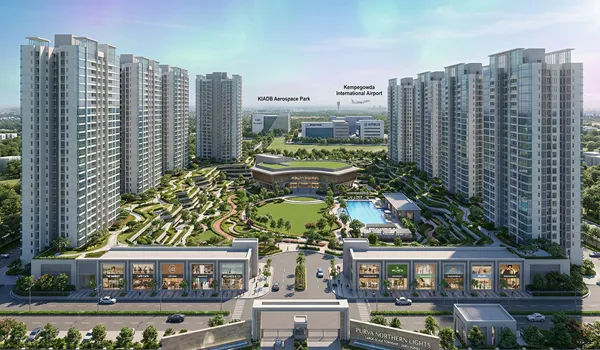
Many people today worry about one thing when they hear about a big project. They ask if it will feel crowded. The idea of living with many families can sound stressful at first. But not every large project feels busy or tight. This is where Purva Northern Lights changes that thinking. This project has close to 2,973 homes spread across a large 25 acre land. At first, this number may look very high. Many buyers search for Purva Northern Lights total units to understand the scale. But numbers alone do not show the full picture. The way the space is planned makes a big difference.
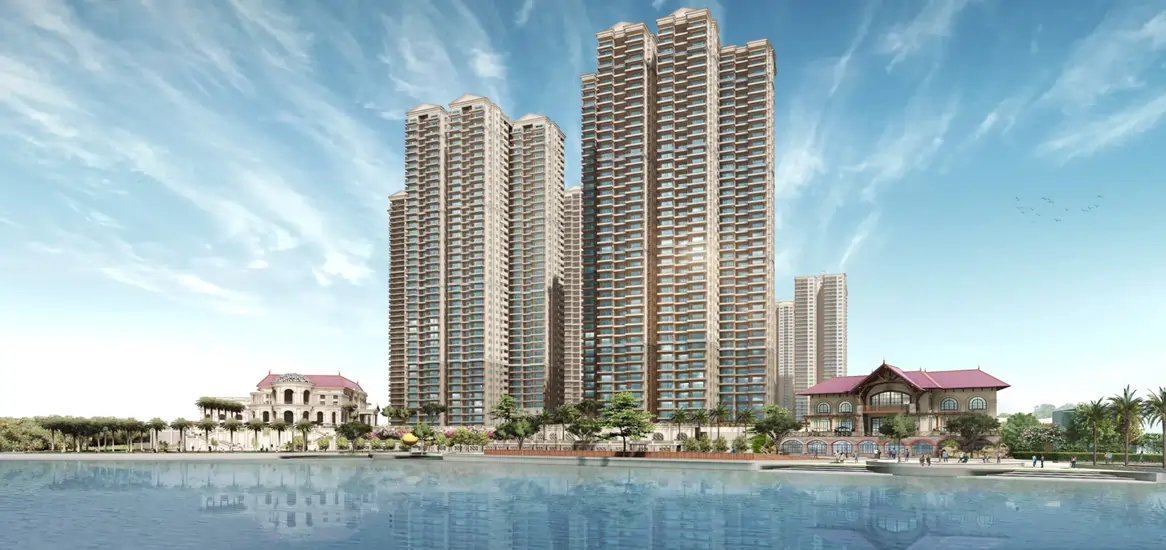
Here, the design focuses on open space and smart layout. Buildings do not take up the full land area. A large part of the space is kept open for greenery and daily use. This helps reduce the feeling of crowding in daily life. Even with many families, the place feels more relaxed and breathable. People also ask if 3000 families is too many for one community. This is a fair question and important to understand. In this case, homes are spread across multiple towers with enough gap between them. This creates better light, air, and privacy for each home. So the living experience feels more balanced.
The project is built for people working in nearby tech and job hubs. Many professionals prefer living close to work to save time. A well planned large community can support this lifestyle better. It brings homes, work comfort, and daily needs closer together. This is why many buyers now check families in Purva Northern Lights before deciding. So this is not just about size or numbers. It is about how space works for real life. In the next sections, we will break down how this large community is designed. This will help you understand how scale and comfort can go together.
Decoding the 2,973: Understanding the Resident Load
The total number of homes here is around 2,973. Many buyers first look at this number and feel unsure. They often search for families in Purva Northern Lights to understand how busy it may feel. But this number needs to be seen in the right way. It is not just about count, but how people are spread across the space. These homes are divided across 8 towers, not packed into one block. This helps reduce pressure in common areas. Each tower has its own entry points and movement spaces. Because of this, people are spread out throughout the day. Daily life does not feel crowded in one place.
If we think in simple terms, each home may have about three to four people. That means the total population can be quite large over time. But this also brings a strong community feel. You get more people, more activity, and better use of shared spaces. This makes the project feel lively but still organized.
A larger community also supports better facilities. Big spaces like clubhouse areas, parks, and play zones become more useful. These features work well because many families use them. Smaller projects often cannot offer such large shared areas. Here, the scale helps improve daily comfort. So the number 2,973 is not just about the crowd. It is about how a large community is planned well. When space and design are balanced, even a big project can feel smooth and easy. This is what makes the layout here more practical for daily living.
The 77% Open Space Ratio: Why Scale Does Not Mean Crowds
One of the biggest reasons this project feels different is the open space. A large part of the land is not covered by buildings. Around 77 percent of the area is kept open for greenery and outdoor use. This helps reduce the feeling of living in a crowded place. Many buyers worry about how so many families will share the same space. But here, buildings take up only a small part of the land. The rest is planned for gardens, walking paths, and open zones. This means people are not packed close to each other. Daily movement feels more free and relaxed.
Another benefit is the distance between towers. Buildings are placed with enough gap to allow light and air to move well. From your home, you mostly see open views instead of another building. This improves comfort and gives a better living feel. It also adds to long term value.
When you look at open space per family, the balance is quite good. Even with many homes, each family gets access to shared outdoor areas. This is something many smaller projects cannot offer. So here, size actually helps create a better lifestyle. In simple terms, more homes do not always mean more crowd. Good planning makes a big difference. That is what keeps the space calm and easy to live in.
Vertical Efficiency: Lifts and Corridors
Many buyers worry about lift wait time in tall towers. This is a common concern in high rise living. No one likes to wait long during busy hours. That is why lift planning becomes very important in such projects. Here, each floor has a limited number of homes. Usually, around 10 to 12 units are placed on one level. This helps control how many people use the same lift at one time. With fewer homes per floor, movement stays smoother. Daily travel up and down feels more comfortable.
The towers also have multiple lifts to manage this flow. These lifts are designed to move faster and handle more people. So even during peak times, waiting is kept low. Many buyers check lift wait times in Purva Northern Lights towers before deciding. This setup helps reduce that worry.
Corridor design also plays a role in comfort. Homes are not placed too close to each other. This gives more privacy and less noise in common areas. You do not feel like you are in a crowded building. The layout helps keep things calm and organized. In simple terms, tall buildings can still feel easy to live in. Good planning of lifts and corridors makes daily life smoother. This is what improves the overall living experience.
The Economic Advantage: The "Power in Numbers" ROI
A large community can also bring strong financial benefits. Many buyers first think bigger means higher cost. But in reality, shared costs become lower per home. This is one key reason why large townships work well over time. It helps keep living and maintenance more balanced. When many families share the same space, costs are divided better. Services like security, cleaning, and upkeep are spread across more homes. This can reduce the cost each family pays every month. Smaller projects often cannot offer this advantage. Here, the size helps keep things efficient.
A bigger community also attracts more demand in the market. Many tenants prefer large gated projects with full facilities. This makes renting easier and faster. Buyers often look at rental demand before investing. This is where large projects show better stability. Resale value also benefits from this scale. Well known large projects get more attention from buyers. People feel more confident buying in a place with strong activity and good upkeep. This improves resale speed and price over time. It becomes easier to exit when needed.
Another point is future growth around the project. Bigger communities often bring better roads, shops, and services nearby. This improves daily life and boosts property value. Over time, this adds to long term returns. So here, the number of families actually works in your favor. In simple terms, size can become strength. When planned well, a large community supports both living and investment. This is what makes the overall value stronger in the long run.
Conclusion
Home buying is changing fast in today’s city life. People no longer look at just the flat size. They also care about space, comfort, and daily ease. This is where large gated communities are growing in demand. They offer more than just a place to stay. In projects like this, many families live together but still get enough space. Good planning helps avoid crowding and keeps things calm. Open areas, wide gaps, and shared spaces make daily life smoother. This shows that bigger projects can still feel peaceful.
The way individuals use these areas has also changed significantly. Social life, exercise, and remote work all take place inside the community. Therefore, purchasers want everything nearby. Every day, a well-thought-out setup saves time and minimises travel. This significantly improves day-to-day life.
These communities continue to be strong in the market from an investment perspective. Over time, they draw both tenants and purchasers. Increased demand promotes price expansion and resale value. They are therefore a secure option for long-term objectives. So the future of gated living is not about size alone. It is about how well the space is used. When design and planning are done right, large communities work very well. They offer comfort, value, and a better way to live.



 24/7 Support
 Free Site Visit
 Unmatched Price