
Purva Northern Lights Price
Purva Northern Lights price ranges from ₹0.80 Cr (1 BHK, 408 sq. ft.) to ₹2.64 Cr onwards (4 BHK, ~4,131 sq. ft.) as of April 2026, with a pre-launch base rate of roughly ₹11,000 per sq. ft. The configuration mix spans compact 1 BHK studios, 2 BHK and 3 BHK family layouts, and a small inventory of 4 BHK duplexes across the eight towers (B + G + 29/30 floors) inside the KIADB Aerospace Park belt.
The quoted price card is the base. The number you actually sign for layers three additions on top: floor-rise (~₹50–₹100 per sq. ft. above the 5th floor), preferential location charges (PLC) for park-facing and corner units, and view premiums for higher floors. The line-by-line breakdown — including GST and registration — is on the official cost sheet below.
| Unit Type | Size | Price | Request Price List |
|---|---|---|---|
| 1 BHK | 408 sq ft | ₹0.80 Cr Onwards | Download 2 BHK Price List |
| 2 BHK | 1097 – 1437 sq ft | ₹1.11 Crores | Download 2 BHK Price List |
| 3 BHK | 1686 – 2178 sq ft | ₹1.9 Crores* | Download 3 BHK Price List |
| 4 BHK | 4017 – 4131 sq ft | ₹2.64 Crores | Download 4 BHK Price List |
* Latest Update As on Rera is Approved.
Price Per Sq Ft Analysis
Purva Northern Lights New Launch base price is ₹11,000 per sq. ft. Compared with nearby projects such as Tata Varnam, Birla Trimaya, and Sattva Aeropolis, the price range is about ₹10,000 per sq. ft. It is showing competitive pricing in the North Bangalore real estate market. It is giving buyers multiple options to compare before investing.
Phase-Wise Price Trends
Buying in Phase 1 of this new township in KIADB Aerospace Park gives you the best price advantage. The early investors enjoy lower rates, better unit choices, and higher returns in the future. As the project develops, prices in upcoming phases are expected to rise. It makes Phase 1 is a smart and profitable decision.
All-Inclusive Price Breakdown
Below is the list to consider for the price breakdown.
- Base price (calculated on super built-up area)
- Floor rise charges
- Car parking charges
- Clubhouse membership fee
- Maintenance deposit
- Registration and stamp duty
Cost Sheet Explained
The cost sheet gives a clear view of the full apartment price. It is simple and transparent. It is easy to understand. There are no hidden charges.
The Purva Northern Lights Cost Sheet will be released post-launch and will include:
- Base price
- Sale value
- GST
- Agreement value
- Carpet and built-up area cost
- Additional charges
- Total apartment cost
The cost sheet charges not included:
- Khatha Fees
- Registration fees
- Stamp duty
- E - stamping
- TDS
Preferential Location & Floor Rise Charges

PLC categories explain why some apartments cost more than others. Homes facing parks, on corners, near main roads, or on higher floors usually have an extra charge called the Preferred Location Charge.
In Purva Northern Lights at KIADB Aerospace Park, the floor-rise cost is added for each floor above the base level. As the floor rises, the price increases slightly. It helps buyers understand the pricing clearly. It also helps them choose a home based on view, privacy, budget, and long-term value. It is making the buying decision more transparent and simple.
Payment Plans Available
The project follows a construction-linked payment plan, and it provides economic flexibility and transparency.
Construction-Linked Payment List
- 10% on allotment
- 10% on agreement (within 60 days)
- The remaining 80% linked to construction milestones over 4 years

Registration fees, stamp duty, and statutory taxes are additional and are expected as per government norms.
In Purva, the Northern Lights down payment plan offers a 10% down payment on the apartment allotment.
EMI & Home Loan Planning
Purva Northern Lights Bangalore offers easy home loan options through trusted bank tie-ups. The buyers can check loan eligibility based on their income and their CIBIL credit card score. The EMI depends on the apartment configuration, loan amount, interest rate, and tenure. Smaller homes have lower EMIs, while larger configurations have higher EMIs. It helps buyers plan a budget-friendly. Choosing a home that fits their monthly budget finances comfortably.
Registration, Stamp Duty & GST
In Karnataka, the home buyers must pay stamp duty and registration fees as per the state government's rules at the time of property registration. These charges are separate from the apartment cost sheet charges. For under-construction units in the Purva Northern Lights, GST is applicable as per current laws. Buyers need to pay 5% GST on the property value until construction is completed and possession is given.
Comparison with Nearby North Bangalore Projects
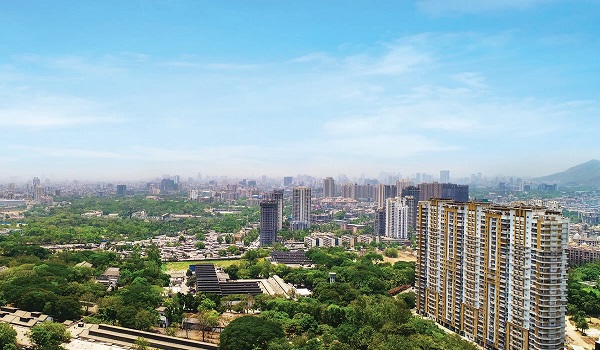
In North Bangalore, Purva Northern Lights offers luxury apartments priced from about ₹1.11 Cr to ₹2.64 Cr, with strong future growth potential thanks to strong connectivity and large open spaces. Townships such as this offer more lifestyle value and amenities at a lower price than standalone projects. It may cost less but lacks integrated facilities and community planning. Overall, the township offers greater long-term comfort and investment value than isolated developments.
The comparison with the projects with price and values:
| Project Name | Price (Per sq. ft) |
|---|---|
| Tata Varnam | ₹ 12,500 per sq.ft |
| Birla Trimaya | ₹ 13,000 per sq.ft |
| Sattva Aeropolis | ₹ 10,000 per sq.ft |
Price Appreciation & Investment Potential
Bengaluru is growing very fast and has many important micro-markets. The areas such as North Bangalore, Whitefield, Sarjapur Road, and Bannerghatta Road are popular for homes and offices. These areas have good roads, schools, hospitals, and shopping centers. Bengaluru's micro-markets are becoming better places to live and invest in.
Rental Yield vs Purchase Price
Purva Northern Lights North Bangalore provides steady rental income because of high demand in North Bangalore. The apartment rental prices are competitive. Most tenants prefer 2BHK and 3BHK homes with spacious layouts, good sunlight, balconies, and proper ventilation. It is making the apartments comfortable and easy to live in.
Purva Northern Lights project offers good gross returns, and net returns stay healthy even after maintenance and taxes. It makes it a good choice for investors looking for regular income and long-term growth with strong future value.
Who Should Buy at This Price Point?
This property is perfect for people who want a comfortable home with modern facilities. It is also a good option for investors looking for rental income and long-term growth. Non-Resident Indians (NRIs) can benefit from investing in Purva Northern Lights, as it is a safe investment in a well-developed area with strong upside potential. It is a great place to live, with open green spaces.
Negotiation Scope & Buyer Tips
Purva Northern Lights prelaunch booking offers open through EOI (₹1 lakh, refundable), with priority for unit selection. It is called the early-bird advantage. The buyers can also negotiate a payment plan, such as a down payment. Planning payments can help save money and get more value. These tips make buying a home easier and more affordable for every buyer.
Final Price Verdict – Is Purva Northern Lights Worth It?
Purva Northern Lights offers a balanced lifestyle with modern amenities, green spaces, and leisure areas for health and relaxation. Well-planning ensures comfort and safety.At the same time, it has a prime location and quality construction. The price is high, but the quality, amenities, and location justify it. The future growth makes it a strong investment. The combination of lifestyle benefits with long-term value. Overall, it provides decent comfort and high returns over time.
 Frequently Asked Questions
Download Price Sheet & Cost Sheet
Purva Northern Lights' base price for apartments is ₹11,000 per sq.ft. Apartments in the Purva Northern Lights project are expected to cost between ₹1.3 crore and ₹2.64 crore. The project has received the RERA approval from the Karnataka Real Estate (Regulation and Development) Authority. The Purva Northern Lights RERA number: PR/120326/008523, Phase 2 number: PR/120326/008524 and Phase 3 number: PR/120326/008525. The official price sheet will be updated on the official website. The builder will release the confirmed Purva Northern Lights cost sheet through Puravankara's official website.
![]() Blog
Blog
Pricing for each configuration scales with floor rise, view, and unit facing — the configuration sizes directly determine the band. For buyers running a serious budget exercise, pair this price card with an honest risk-vs-reward read on the project, and verify the legal context via the RERA disclosure.




 24/7 Support
 Free Site Visit
 Unmatched Price
Explore Price