
What is the difference between Purva Northern Lights Phase 1 and Phase 2?
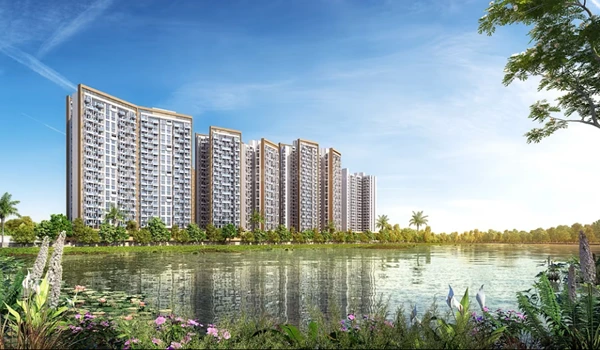
In 2026, buying a home is not just about picking a project. It is also about choosing the right stage of that project. Many buyers exploring Purva Northern Lights now face a simple but important choice. Should you go for something almost ready, or something still growing. Both options look good, but they serve different needs.
In a large township like Purva Northern Lights, different phases feel like different opportunities. One phase may be close to completion, while another may still be under construction. The homes may look similar, but the timing changes everything. This timing affects income, price growth, and overall value.
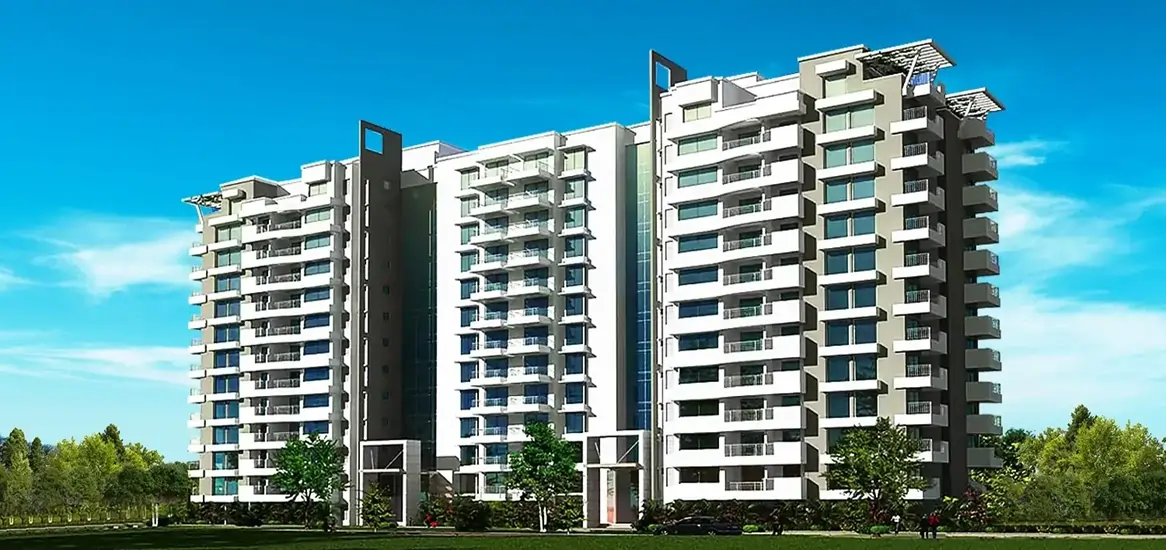
A ready or near ready home in Phase 1 gives quick use. You can move in or start renting it out soon. This means you start getting returns without waiting. For buyers who want steady income, this feels safe. There is less uncertainty and more clarity.
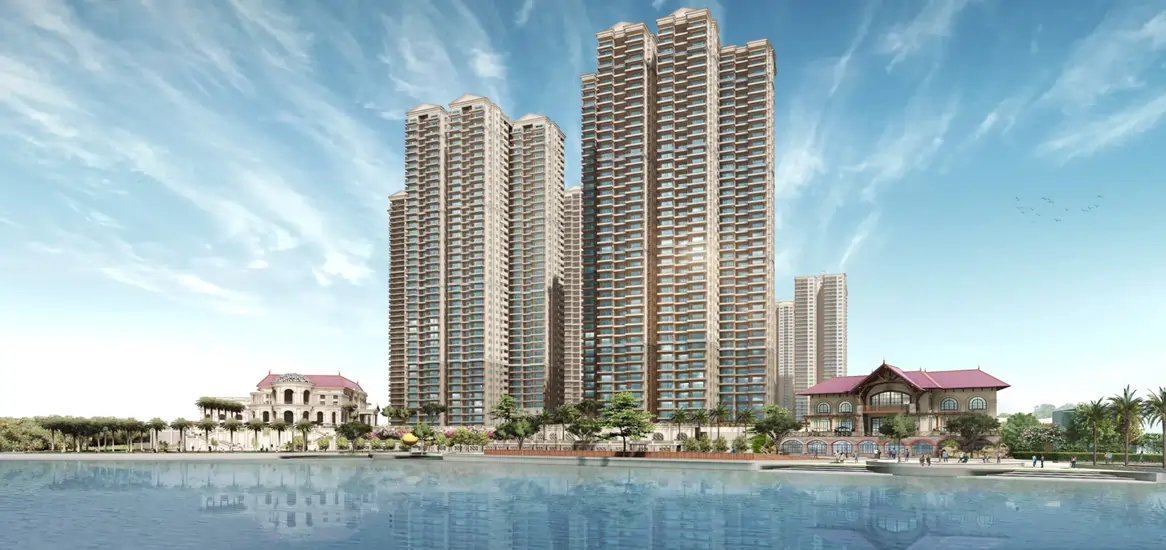
On the other side, Phase 2 gives a different kind of advantage. You enter at an earlier price level. As the project grows, value can increase step by step. This requires patience, but it can give better long term gains. Many investors prefer this route for higher returns.
So the real choice is not about better or worse. It is about what fits your plan. Do you want income now or growth later. Do you prefer early entry or full certainty. This guide will help you understand both options in a simple way so you can decide with confidence.
Possession Timelines: Immediate Yield vs. Staggered Entry
One of the first things to check while choosing between phases is the possession timeline of Purva Northern Lights . This decides when you can use the home. It also decides when your investment starts working for you. Some buyers want quick results, while others are ready to wait. This choice depends on your financial plan.
In a near ready phase, the biggest benefit is time saving. You can move in soon or give the home on rent. This means income can start without a long delay. Many professionals are already looking for homes in this area. So finding tenants becomes easier. This option suits buyers who want steady cash flow. Monthly rent can help manage loan payments or other costs. It also reduces the stress of holding a property without income. For many investors, this feels more secure and clear. You see the returns early.
On the other side, a new phase of the Purva Northern Lights works in a different way. You enter at an early stage of construction. Payments are spread over time instead of one large amount. This helps manage finances better for some buyers. It also keeps some money free for other uses. The main benefit here is future growth. As the project moves forward, value can increase step by step. By the time the home is ready, prices may be higher. This creates a gap between entry price and market price. That gap becomes your gain. Thus, timing and objective are the deciding factors. A ready phase is more effective if you want money right now. A fresh phase can work for you if you seek greater progress in the future. Both choices are worthwhile. How you plan your investment will determine which is best.
Configuration Evolution: The "Work-From-Township" Upgrades
Homes today are not just for living. They are also used for work, meetings, and daily tasks. Because of this, the way homes are planned is changing. Buyers now look for spaces that support both comfort and work. This shift is clearly seen in newer phases of projects.
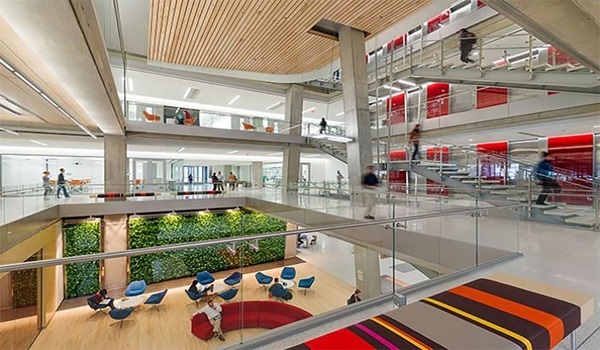
In earlier phases, homes focused more on living space and layout. Rooms were planned for family use and daily needs. But now, there is more focus on flexible space. Buyers want a room that can also work as a home office. This makes the home more useful every day. Newer phases are adding features that support this change. Better internet setup, quiet corners, and shared work areas are being included. Some projects also plan spaces where residents can work outside their home. This gives a mix of privacy and flexibility. It helps people stay productive without leaving the project.
These small upgrades make a big difference over time. Homes that support modern work needs stay in demand. Buyers and tenants both prefer such layouts. This helps in both rental and resale value. It also makes daily life smoother. So the change in design is not random. It is based on how people live today. A home that supports both work and living feels complete. That is why newer phases are focusing more on these features.
Pricing Mechanics: The "Early Mover" vs. "Matured Asset"
Price is one of the biggest factors while choosing between phases in Purva Northern Lights. But it is not just about how much you pay. It is also about what you get at that price. A ready or near ready home usually comes at a higher cost. This is because the risk is already low.
When a home is almost complete, buyers feel more confident. You can see the building, the layout, and the quality. There is less waiting and fewer unknowns. Because of this, the price includes that extra comfort. Many buyers are willing to pay for this certainty. On the other side, a new phase in Purva Northern Lights often starts at a lower price. This is called early entry advantage. Buyers who come in early get better rates compared to later stages. Payments are also spread out over time. This helps manage money in a more flexible way.
As construction moves forward, prices usually increase step by step. By the time the project is ready, the value may be higher. This creates a gap between your buying price and market price. That gap becomes your gain if you hold the property. So the difference is simple to understand. A ready home costs more but gives immediate use. A new phase costs less but needs time. Both options have value in their own way. The right choice depends on your comfort with time and risk.
Amenity Access: The "Universal Privilege" Model
Many buyers worry that different phases may offer different benefits. It is common to think that early buyers get better access. But in a well planned township, this is not how it works. The whole project is designed as one connected space. This means all residents share the same main features.
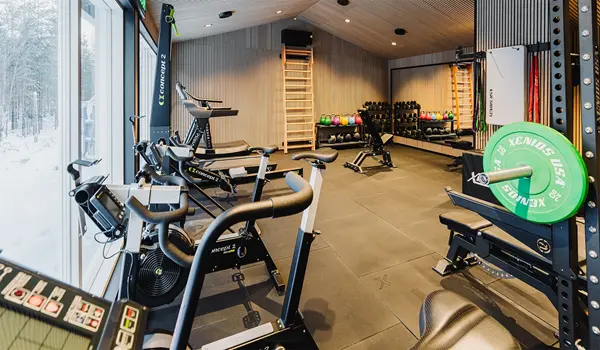
Large amenities are built for the entire community, not for one phase in Purva Northern Lights. Clubhouse areas, open spaces, and walking zones are open to everyone. These spaces are planned early so that the environment feels complete. Even new phase buyers can enjoy them from day one. This creates a balanced living experience. Green areas and open spaces also play a big role here. These are not limited to one section of the project. They are spread across the entire layout. This helps maintain a calm and open feel throughout. It also improves daily comfort for all residents.
This shared model adds value for every buyer. You do not feel left out based on when you purchased. The lifestyle stays the same across phases. This builds a strong sense of community. Over time, this also helps in resale and rental demand. So the idea is simple. No matter which phase you choose, you get the full experience. This makes the decision easier for buyers. You can focus on timing and pricing without worrying about missing out on features.
Inventory Scarcity: The 4BHK Grand Duplex Factor
In today’s market, larger homes are not easy to find. Most projects focus more on smaller units. This makes big homes limited in supply. Buyers who want more space often have fewer options. This creates strong demand for such units. The 4BHK duplex in Purva Northern Lights stands out because of its size and layout. It offers more space across two levels, which feels open and private. Many buyers prefer this kind of setup for family living. It also suits people who want extra room for work or guests. This makes it more useful in daily life.
In earlier phases, availability of such units becomes limited over time. As more buyers move in, these homes get sold quickly. In some cases, they are only available for resale. This can increase the price due to low supply. Buyers may have fewer chances to enter at a good rate. Newer phases sometimes offer fresh availability of these units. This gives buyers another chance to buy at early stage pricing. It also comes with better selection and flexibility. Because supply is limited, demand may stay strong. This helps in both value growth and resale.
Conclusion
Choosing between different phases is not about right or wrong. It is about what fits your plan better. Some buyers want quick use and steady income. Others are ready to wait for future growth. Both choices can work well if matched with the right goal.
If you want to start earning rent soon, a near ready home is a better fit. You can use the property or give it on rent without delay. This helps reduce financial pressure. It also gives a clear picture of what you are buying. For many buyers, this feels more safe.
If your goal is long term value, a new phase may suit you more. You enter at a lower price and wait for growth. As the project develops, value can increase step by step. This needs patience but can give better returns later. It is a more forward looking choice.
So the final decision is simple to understand. Think about your time, money, and comfort level. Choose what matches your plan, not what others are doing. When your goal and choice align, the investment feels more clear and confident.



 24/7 Support
 Free Site Visit
 Unmatched Price