
Comparing Purva Northern Lights Phase 1 vs. Phase 2: What's New?
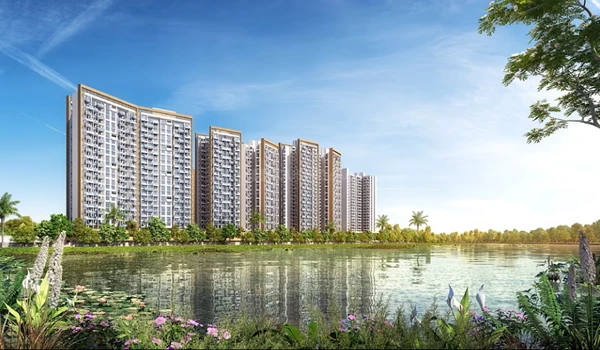
The primary difference between Phase 1 and Phase 2 of Purva Northern Lights comes down entirely to investment timing, current pricing, and unit availability, rather than any physical changes to the project's design. Because both phases share the exact same meticulously planned master layout, tower positions, and amenity zones, the choice simply dictates when you enter the project. Phase 1 offers the advantage of early-bird pricing, higher unit selection, and stronger long-term appreciation, while Phase 2 commands a higher price point in exchange for visible construction progress, lower risk, and a much shorter waiting time for possession.
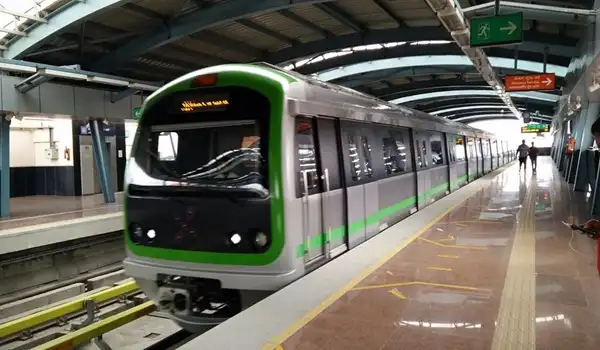
This phased, large-scale development sits at the heart of North Bangalore, which has rapidly transformed into one of the city's most active and sought-after real estate zones. Over the last decade, micro-markets such as Hebbal, Thanisandra, Hennur, and Nagawara have experienced explosive growth. Driven by a massive influx of new corporate office hubs, wider arterial roads, strategic flyovers, and the highly anticipated Airport Metro line, daily travel has become significantly easier. Naturally, this improved social infrastructure has sharply increased the demand for premium, well-connected housing.
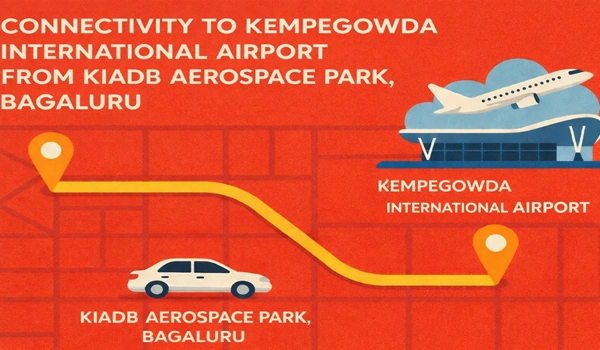
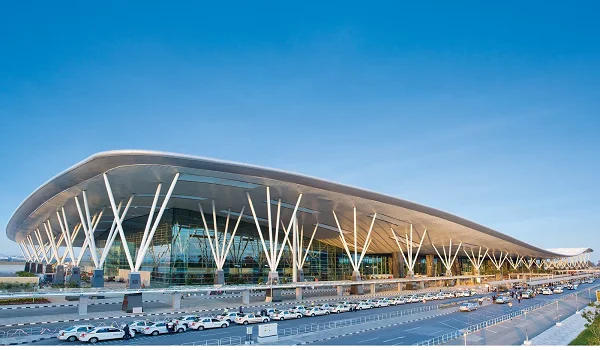
Perfectly representing this massive urban transformation is Purva Northern Lights, a sprawling gated residential community developed by the renowned Puravankara Group. Strategically located within the KIADB Aerospace Park and Hardware Park in Bagalur, this premium project offers unmatched proximity to the Kempegowda International Airport. It serves as a vital residential link, connecting its residents seamlessly with both the bustling city center and the rapidly expanding airport economic corridor.
To help prospective buyers navigate this massive 25-acre township, this blog provides a clear, technical comparison of Phase 1 versus Phase 2. By breaking down exactly how the entry stages impact your initial investment cost, waiting period, and future returns, we aim to equip investors and homebuyers with the logical facts needed to make sound financial decisions based on the real project structure, rather than mere assumptions.
North Bangalore has become one of the most active real estate zones in the city. Areas such as Hebbal, Thanisandra, Hennur, and Nagawara have grown rapidly in the last decade. This growth is driven by new office hubs, wider roads, flyovers, and upcoming metro lines. Daily travel has become easier. Social infrastructure has improved. Demand for quality housing has increased.
One residential project that represents this transformation is Purva Northern Lights. It is a large gated residential community developed by Puravankara Group. The project is located in KIADB Aerospace Park / Hardware Park in Bagalur, North Bangalore, near Kempegowda International Airport. This area connects well with both the city centre and the airport corridor.
Purva Northern Lights has been developed in phases. The two main phases are Phase 1 and Phase 2. Both phases are part of the same project. They follow the same master plan. The difference is mainly related to when you enter the project. This impacts pricing, construction stage, waiting time, unit availability, and investment potential.
This blog gives a clear and technical comparison of Purva Northern Lights Phase 1 vs Phase 2. It explains what has changed and what has remained the same. The aim is to help buyers make decisions based on logic and real project structure, not assumptions.
Overview of Purva Northern Lights
Purva Northern Lights is located in North Bengaluru, close to Thanisandra Main Road and Hebbal. This location is one of the fastest-growing residential corridors in the city.
The project enjoys good connectivity to key areas such as:
- Hebbal Flyover
- Outer Ring Road
- Manyata Tech Park
- Nagawara Junction
- Kempegowda International Airport
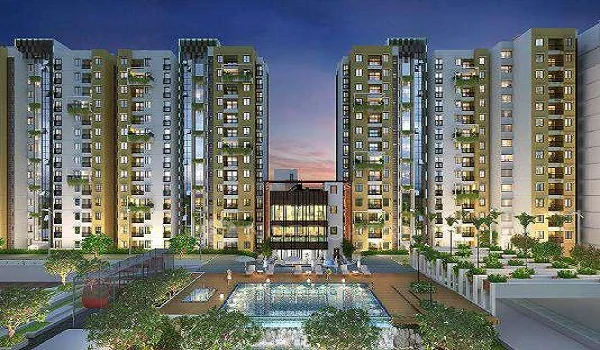
The presence of IT parks, business hubs, schools, hospitals, and shopping zones makes this area suitable for working professionals and families. From a planning point of view, Purva Northern Lights is designed as a large integrated community. The project includes:
- Multiple residential towers
- Landscaped gardens
- Internal roads
- Clubhouse and lifestyle amenities
- Parking areas and security systems
The entire project is based on a single master layout. Instead of launching everything at once, the developer has released it in phases. This approach is common in large residential developments. It helps manage construction schedules and market demand.
Why Large Projects Are Launched in Phases
Phased development is a standard method in real estate. It allows better control over construction, cash flow, and customer demand. It also gives buyers the option to enter the project at different stages. In the case of Purva Northern Lights, both the phases are actually part of one unified master plan. This is a very important point.
This means:
- The layout is not different
- The design is not changed
- The amenities are common
- The quality standard is the same
The real difference lies in timing. Phase 1 represents early entry. Buyers commit when the project is still in its initial stages. Phase 2 represents a later entry. Buyers commit when construction is already visible, and risk is lower. So the difference is not about what is being built. It is about when you are buying into it.
Layout and Master Plan: What Actually Changes?
Both Phase 1 and Phase 2 follow the same master layout plan. The entire project is designed as one integrated township.
This means:
- Tower positions are fixed
- Green spaces are shared
- Amenity zones are common
- Internal roads connect all phases
There is no redesign between phases. From a structural point of view, Phase 1 layouts equal Phase 2 layouts. Floor plans are the same, unit sizes are similar, and orientation logic is the same. The only difference is what you see at the time of booking. Phase 1 buyers booked when the project was mostly on paper. Phase 2 buyers book when towers are already rising. So the experience feels different. But the design is the same.
Pricing Logic: Phase 1 vs Phase 2
Pricing is one of the most visible differences between the two phases.
Phase 1 pricing logic
Phase 1 was launched at an early stage. At that time, the project was new, construction had just started, market risk was higher, and demand was still forming. To attract early buyers, developers usually offer lower entry pricing. This is often called early bird pricing.
- Reflects: Higher risk, Longer waiting time, Early commitment
- Benefits: Lower base price, More negotiation scope, Entry before major demand
Phase 2 pricing logic
Phase 2 is launched later. By then, towers can be seen, construction risk is lower, demand is established, and area prices have increased. So Phase 2 pricing is higher.
- Reflects: Increased land value, Construction progress, Market confidence, Lower project uncertainty
In simple terms: Phase 1 is cheaper but riskier, while Phase 2 is costlier but safer. This pricing pattern is logical and common in all large projects.
Possession Timelines and Construction Progress
Possession timelines usually depend on when you enter the project.
Phase 1 possession
Phase 1 buyers enter when the project is still in early construction. This means construction starts after booking, the waiting period is longer, and possession timelines are extended.
Phase 1 suits buyers who are planning long-term, are not in a hurry to move, and are comfortable waiting. Phase 1 is very much liked by investors and residents.
Phase 2 possession
Phase 2 buyers enter when construction is already underway. So, in this stage towers are visible, internal roads are forming, and amenities are under development. This reduces waiting time.
Phase 2 suits buyers who want faster possession, prefer seeing the project physically, and want lower uncertainty.
So the difference is very simple: Phase 1 → longer wait, Phase 2 → shorter wait.
Unit Availability and Buyer Flexibility
Unit availability is another major practical difference.
Phase 1 unit selection
Phase 1 buyers entered when most units were available. This gave them more tower choices, better floor options, wider view selection, and greater flexibility. Phase 1 buyers could choose park-facing units, higher floors, corner apartments, and preferred orientation. They had control over view, sunlight, ventilation, and floor level.
Phase 2 unit selection
By the time Phase 2 opens, many popular units are already sold, prime views may be limited, and tower options are fewer. Phase 2 buyers still get quality homes, but they get fewer choices. This is not a quality issue. It is an availability issue.
Investment and Appreciation Perspective
From an investment point of view, the two phases behave differently.
Phase 1 investment logic
Phase 1 buyers enter at lower prices. Over the full project lifecycle, construction progresses, the area develops, infrastructure improves, and demand increases. This creates stronger price growth.
So Phase 1 offers higher appreciation potential, better long-term gains, and more upside. Phase 1 suits investors, long-term holders, and buyers with more risk tolerance.
Phase 2 investment logic
Phase 2 buyers enter later. So, initial price growth already happened, appreciation is also more stable, and returns are slower. Phase 2 is better for end users, rental investors, and buyers who want safety.
So: Phase 1 = growth-focused, Phase 2 = stability-focused.
Technical Comparison Table
| Feature | Phase 1 (Early Entry) | Phase 2 (Later Entry) |
|---|---|---|
| Master Plan | Same unified layout | Same Unified Layout |
| Pricing | Lower early pricing | Higher market pricing |
| Construction Risk | Higher | Lower |
| Possession | Longer waiting period | Faster possession |
| Unit Availability | More choices | Limited choices |
| Appreciation Potential | Higher | Moderate |
| Buyer Profile | Investors, planners | End users, families |
Which Phase Suits Which Buyer?
There is no better phase, only a better fit for your goal.
Phase 1 suits:
- Investors
- Buyers who are planning long-term
- Buyers with flexible timelines
- Buyers comfortable with risk
Phase 2 suits:
- End users
- Families who need a faster move-in
- Buyers with lower risk tolerance
- Buyers who want clarity as well as certainty
Your choice depends on budget, time horizon, risk comfort, and purpose (living or investing).
Long-Term Outlook for Purva Northern Lights
North Bengaluru continues to grow. Important factors for long term include metro expansion, IT corridor growth, airport connectivity, commercial development, and social infrastructure. Projects like Purva Northern Lights Bagalur benefit from this ecosystem. Over time, the project gains from better roads, improved transport, higher rental demand, and stronger residential demand. This supports steady long-term value.
Wrapping Up
The difference between Purva Northern Lights Phase 1 and Phase 2 is not about design or quality but timing. Phase 1 offers early entry, lower pricing, along with higher growth potential. But it comes with longer waiting periods and higher risk. On the other hand, phase 2 offers faster possession, better visibility, and lower uncertainty. Yet the pricing is higher, and unit choices are also limited.
Both phases are part of the same project. Both follow the same master plan. The right choice depends on your personal goals, not the phase label. Understanding these technical differences helps you make a smarter and more realistic buying decision.
If you are exploring Purva Northern Lights Bangalore, you may consider:
- Requesting the latest price sheet
- Booking a site visit
- Downloading the brochure
- Asking for a project callback
These steps help you compare options based on real data.



 24/7 Support
 Free Site Visit
 Unmatched Price